
Why Workforce Planning Is Becoming the Biggest Competitive Advantage in UK Construction Recruitment
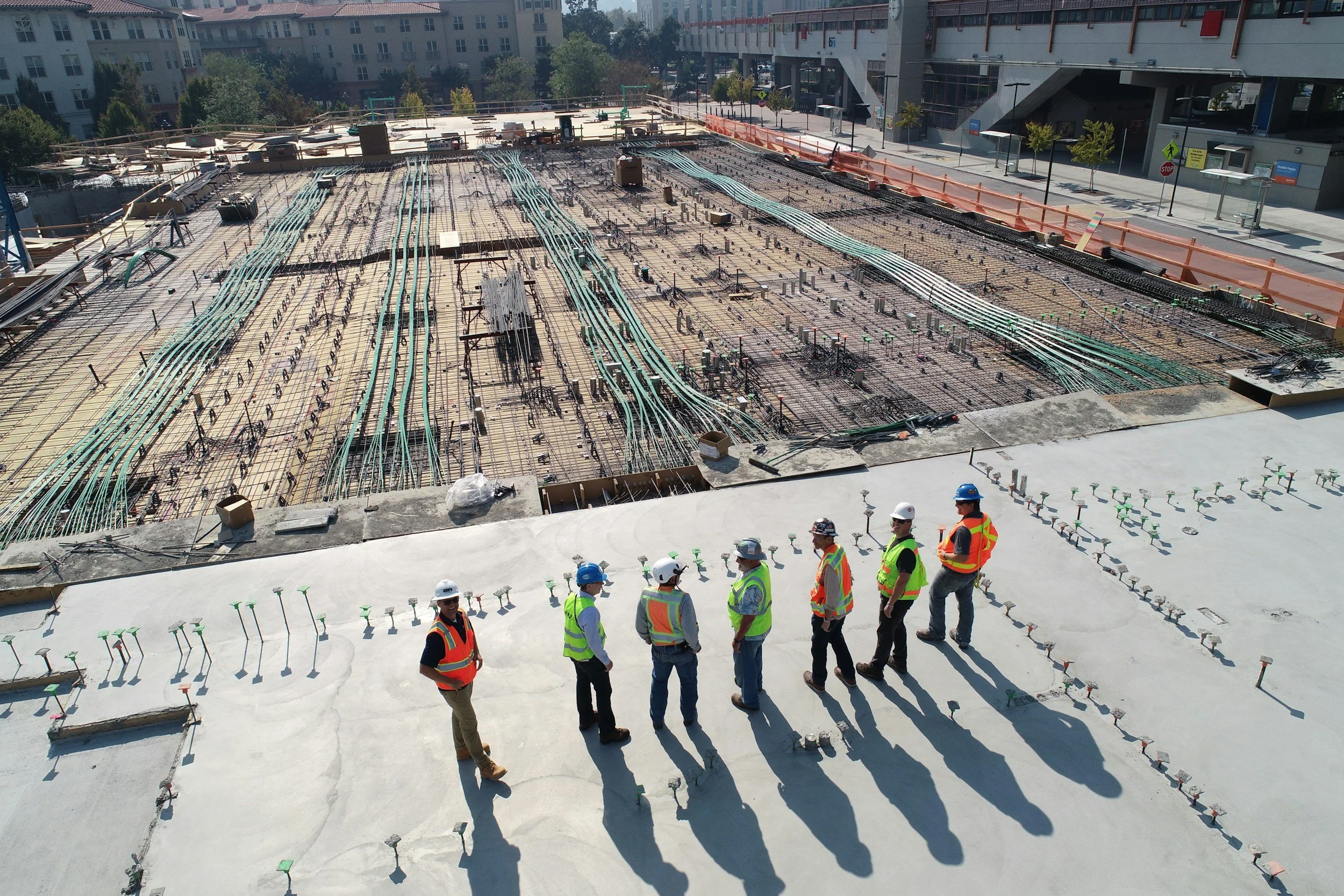
The UK construction industry has always been driven by deadlines, skilled labour, and the ability to adapt quickly to changing market conditions. However, in recent years, workforce planning has become one of the most important factors determining whether projects succeed or fall behind schedule.
Across residential developments, infrastructure projects, commercial builds, and industrial construction, contractors are facing increasing pressure to secure reliable labour at the right time and in the right locations. Skills shortages, tighter project timelines, evolving technology, and rising client expectations are all reshaping how companies approach recruitment.
For many businesses, simply hiring workers when needed is no longer enough. Companies are now taking a more strategic approach to recruitment by forecasting labour requirements months in advance, building long-term relationships with specialist recruitment partners, and focusing on workforce stability rather than short-term fixes.
This shift is changing the role of every modern construction work agency. Recruitment is no longer just about filling vacancies. It is about helping businesses plan ahead, reduce downtime, improve productivity, and maintain quality standards throughout the lifecycle of a project.
At Tradeline Recruitment, we work closely with contractors, developers, subcontractors, and skilled tradespeople across Bedfordshire, London, Cambridge, and throughout the UK. We are seeing first-hand how workforce planning is becoming one of the most powerful tools for construction businesses looking to stay competitive.
In this blog, we explore why workforce planning matters more than ever, the challenges currently facing the construction industry, and how a specialist construction job agency can help businesses secure the talent they need for long-term success.
The Construction Industry Is Facing a New Recruitment Landscape
The UK construction sector has experienced significant change over the last decade. While labour shortages have always existed in some form, the current environment presents a combination of challenges that require a much more strategic approach to hiring.
Several key factors are driving this shift.
An Ageing Workforce
A large percentage of experienced tradespeople and plant operatives are approaching retirement age. Many skilled workers who have spent decades in the industry are leaving the workforce faster than new entrants are replacing them.
This creates major gaps in experience across multiple trades, including:
Groundworkers
Carpenters
Bricklayers
Steel fixers
Plant operators
Site supervisors
Mechanical and electrical specialists
For employers, this means competition for experienced workers is becoming increasingly intense.
Increased Infrastructure Investment
Major projects across the UK continue to create significant demand for skilled labour. Housing developments, transport upgrades, commercial expansion, and energy infrastructure are all contributing to growing recruitment pressures.
Large-scale projects often require contractors to scale their workforce rapidly within short periods of time. Without proper workforce planning, businesses can struggle to secure enough labour to keep projects moving efficiently.
The Growth of Specialist Skills
Modern construction sites require more than traditional trade experience. Technology is playing an increasingly important role across the industry.
Building Information Modelling (BIM), digital surveying, sustainable building methods, smart construction technologies, and modular construction are creating demand for workers with specialist technical expertise.
This has increased the importance of tech trade recruitment, particularly for employers delivering complex or high-value projects.
Greater Focus on Compliance and Safety
Health and safety standards remain one of the highest priorities within construction. Employers are under increasing pressure to ensure every worker on-site holds the correct qualifications, certifications, and experience.
This is especially important for plant operators, site supervisors, and technical specialists working in high-risk environments.
As a result, companies are increasingly turning to experienced labour recruitment agency partners who understand compliance requirements and can provide fully vetted workers.
Why Workforce Planning Matters More Than Ever
In the past, many contractors relied on reactive recruitment strategies. Labour was often sourced at the last minute whenever additional workers were needed.
While this approach may have worked during slower market conditions, it is becoming far less effective in today's highly competitive environment.
Forward-thinking construction businesses are now recognising the value of long-term workforce planning.
Reducing Project Delays
One of the biggest risks in construction is labour shortages causing delays. Even a small shortage of skilled workers can impact productivity across an entire project.
When contractors fail to secure labour early enough, they may experience:
Delayed project milestones
Increased overtime costs
Reduced productivity
Pressure on existing teams
Missed client deadlines
Financial penalties
A proactive construction work agency helps employers avoid these issues by forecasting labour requirements in advance and building workforce pipelines before shortages occur.
Improving Workforce Quality
Last-minute recruitment often leads to rushed hiring decisions. This can increase the risk of placing underqualified or unsuitable workers on-site.
Strategic workforce planning allows employers to focus on quality rather than urgency.
A specialist construction job agency can take time to properly screen candidates, verify certifications, assess experience levels, and match workers to projects where they are most likely to succeed.
This improves overall workforce reliability and reduces staff turnover.
Supporting Long-Term Business Growth
Construction companies that consistently secure reliable labour are better positioned to win larger contracts and expand into new markets.
Clients want confidence that contractors can deliver projects on time and maintain high standards throughout the build.
Businesses with strong recruitment strategies are often viewed as lower-risk partners because they can demonstrate workforce stability and operational reliability.
The Growing Importance of Specialist Recruitment Agencies
The construction industry is highly specialised. Every project requires a combination of skilled trades, technical professionals, and site operatives working together efficiently.
General recruitment methods often struggle to meet the unique demands of the construction sector.
This is why many employers now prefer to work with specialist recruitment partners that focus exclusively on construction.
A dedicated labour recruitment agency understands:
Construction timelines
Site environments
Industry regulations
Certification requirements
Trade-specific skills
Regional labour availability
Seasonal demand fluctuations
This industry expertise allows agencies to source suitable workers much faster and with greater accuracy.
At Tradeline Recruitment, our consultants understand the realities of construction because we work within the industry every day. We know that hiring the wrong worker can affect productivity, safety, and project delivery.
That is why careful screening and relationship-building remain central to successful recruitment.
How Technology Is Changing Construction Recruitment
Technology is transforming almost every aspect of the construction sector, including recruitment.
Digital systems, workforce databases, and recruitment software are helping agencies and employers improve efficiency, reduce hiring times, and better manage labour resources.
Smarter Candidate Matching
Modern recruitment systems allow agencies to match workers with suitable projects based on:
Qualifications
Experience
Trade specialisms
Location
Availability
Certifications
Previous project history
This helps employers secure workers who are properly suited to the demands of each project.
Faster Recruitment Processes
Construction projects often move quickly, meaning employers may require labour at short notice.
Digital recruitment systems help agencies respond rapidly by maintaining updated candidate databases and streamlining communication between recruiters, clients, and workers.
This is especially important for temporary labour supply and urgent project requirements.
Improved Compliance Management
Managing certifications and compliance documents manually can be time-consuming.
Many recruitment agencies now use digital systems to track:
CSCS cards
CPCS qualifications
NPORS certifications
Health and safety training
Right-to-work documentation
This ensures workers remain compliant before arriving on-site.
Why Plant Operators Are in Particularly High Demand
One area experiencing especially strong demand is plant operations.
Plant machinery plays a critical role on modern construction sites, and experienced operators are essential for maintaining efficiency and safety.
Demand remains high for:
Excavator operators
Telehandler drivers
Dumper operators
Roller operators
Crane operators
Loading shovel operators
However, qualified operators can be difficult to source.
This has increased reliance on specialist plant operator recruitment agencies that maintain networks of certified and experienced workers.
For employers, partnering with recruitment specialists provides access to operators who already hold the correct certifications and understand site safety procedures.
For workers, it creates opportunities for consistent employment and career progression across a wide variety of projects.
The Rise of Flexible Recruitment Models
Construction recruitment is no longer limited to temporary labour supply.
Today's employers often require a mixture of:
Temporary workers
Freelance specialists
Permanent staff
Contract managers
Project-based recruitment solutions
This flexibility allows businesses to scale labour requirements according to project demands.
For example, a contractor may need a large temporary workforce during the groundworks phase of a project but require fewer workers during later stages.
Working with a specialist construction work agency allows businesse